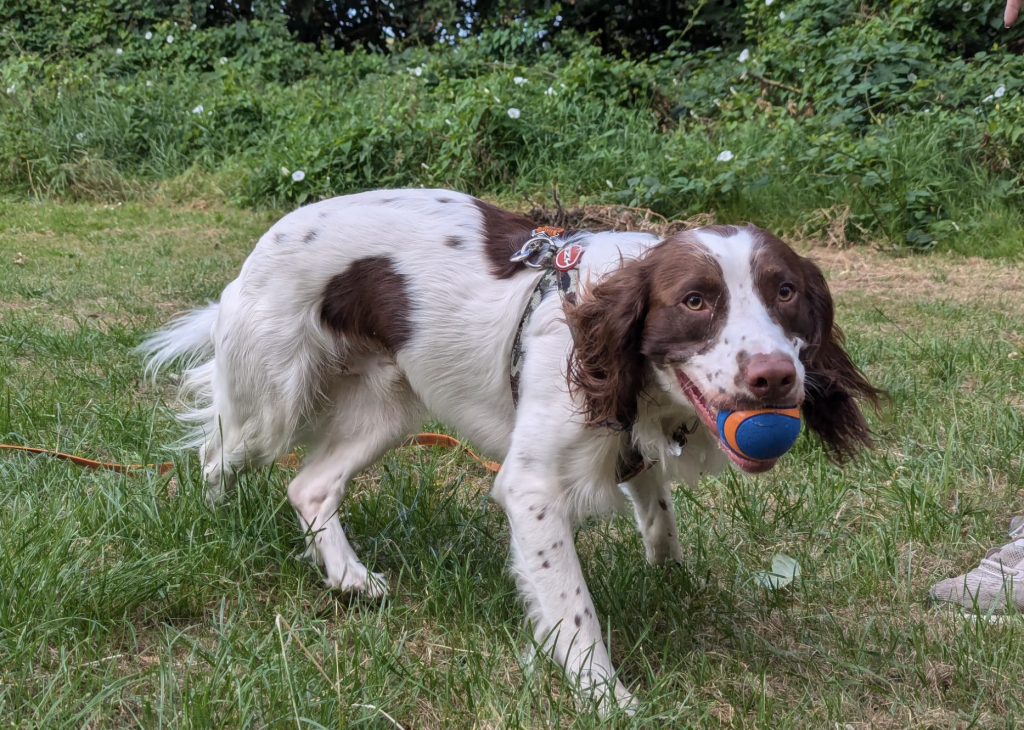
There’s nothing glamorous about mantrailing. Think muddy wellies, a damp field, and a dog who knows exactly what he’s doing while I’m just trying not to trip over a hedge. He follows one person’s scent. I follow him. That’s the deal. If I start thinking I’m smarter than him, we end up going the wrong way.
After enough training sessions, it became painfully clear that working with a trailing dog feels a lot like running a project – unpredictable, messy, and completely unforgiving if you force your assumptions onto reality.
1. The path never looks how you planned it
A scent doesn’t travel neatly. It sticks to random walls, swirls with wind, settles near benches, cuts through awkward gaps, and lingers in places you’d never expect. The dog follows that, not pavements and logic.
Projects behave the same way. Timelines look clean until real life gets involved: priorities shift, budgets wobble, someone important leaves, or politics adds a lovely bit of chaos. The path isn’t the problem; your refusal to adapt is.
Plans are guides. Reality wins.
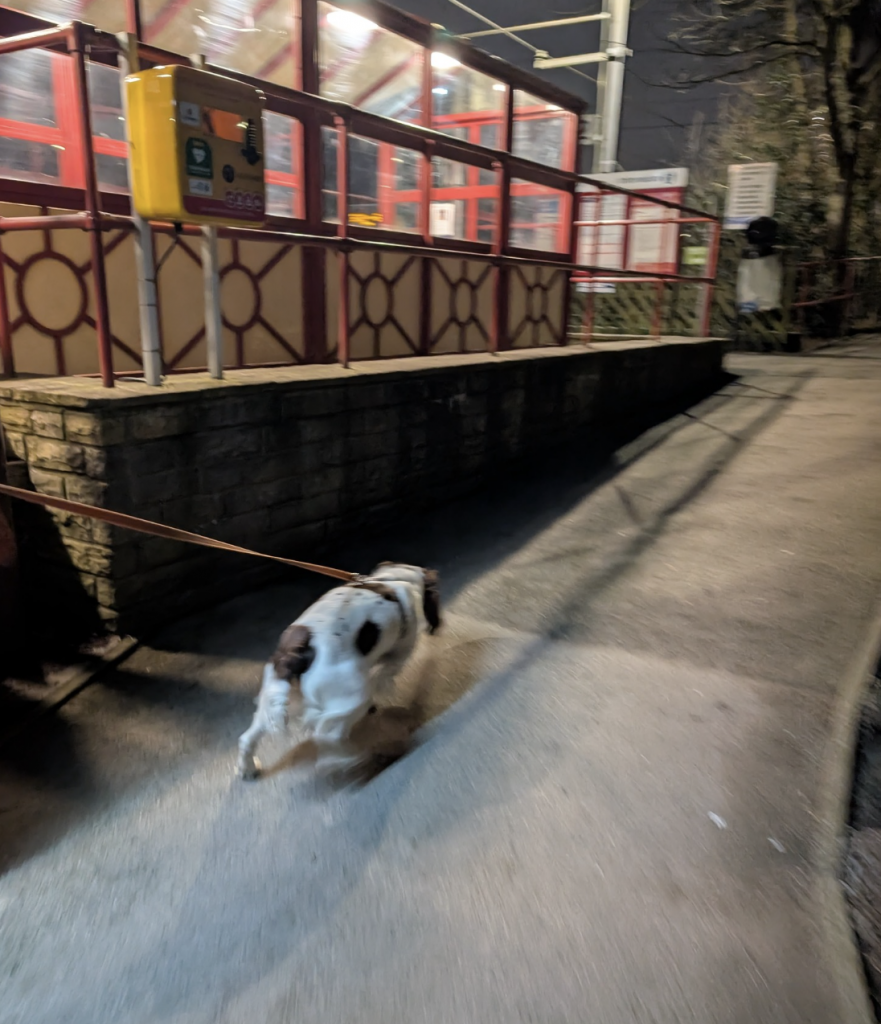
2. Assumptions drag you off course
The quickest way to ruin a trail is to “help.” If I even slightly pull the lead because I think the person must have gone a certain way, the dog hesitates. One wrong nudge, and I’ve just contaminated his decision-making with my imagination.
Workplace version: someone decides the solution before anyone investigates the problem. Everyone then chases evidence to support an idea instead of discovering what’s actually true.
Evidence leads. Assumptions follow – not the other way around.
3. Tiny signs matter more than big announcements
You don’t wait for dramatic moments. The dog tells you everything through small signals: a shift in pace, deeper sniffing, a quick head turn, tension on the lead. Miss those, and you miss the story.
Projects act the same. Trouble shows up early as silence in a meeting, vague updates, repeated “small delays,” or a stakeholder suddenly becoming too busy to talk. These micro-behaviours are alarms. Ignore them, and you’ll be firefighting later.
Smart handlers and smart leaders spot the small signs and adjust early.
4. If you hire expertise, don’t smother it
Constant correction slows a dog down. Second-guessing chips away at confidence. Interfere too much, and the dog stops taking initiative. He waits for direction from someone who can’t smell a single thing.
This is how teams lose their spark. You hire specialists, then clip their abilities with micromanagement, rewrites, approvals, and “just checking.” Eventually they deliver only what they’re told – even when what you asked for is wrong.
Trust isn’t stepping back. It’s knowing when to influence, not override.
5. Progress matters more than a neat route
A good trail isn’t judged by how elegant it looked. It’s judged by whether the dog found the right person. The route can be ugly, chaotic, and full of backtracking but it still counts.
Projects should be judged the same way. Value delivered beats a flawless Gantt chart. A messy success is still success. A perfect plan with no outcome is theatre.
Reward progress, not pretty diagrams.
6. Everyone needs to chase the same scent
The dog has one target. One scent. One mission.
Teams? They usually chase several at once – revenue, speed, politics, innovation, personal agendas, and whatever someone’s boss decided after lunch. With no single direction, everyone invents their own version of success, and you end up sprinting in circles like a badly trained spaniel.
Before the work starts, define the scent:
- What are we really delivering?
- What are we refusing to chase?
- Who or what doesn’t matter right now?
If the target isn’t clear, don’t be surprised when you find nothing.
Final thought
Mantrailing looks disorderly from the outside. But it works because the dog is trained, the target is clear, and the handler stays responsive instead of trying to control everything.
Projects would perform a lot better with the same mindset:
- Let evidence lead.
- Adapt to the real path, not the ideal one.
- Trust the expertise you chose.
- Watch the small signs.
- And stick to one clear mission.
The route won’t be tidy. It doesn’t need to be. It just needs to get you to the right person in the end.